Bold Voices, Powerful Stories: Women Behind the Lens
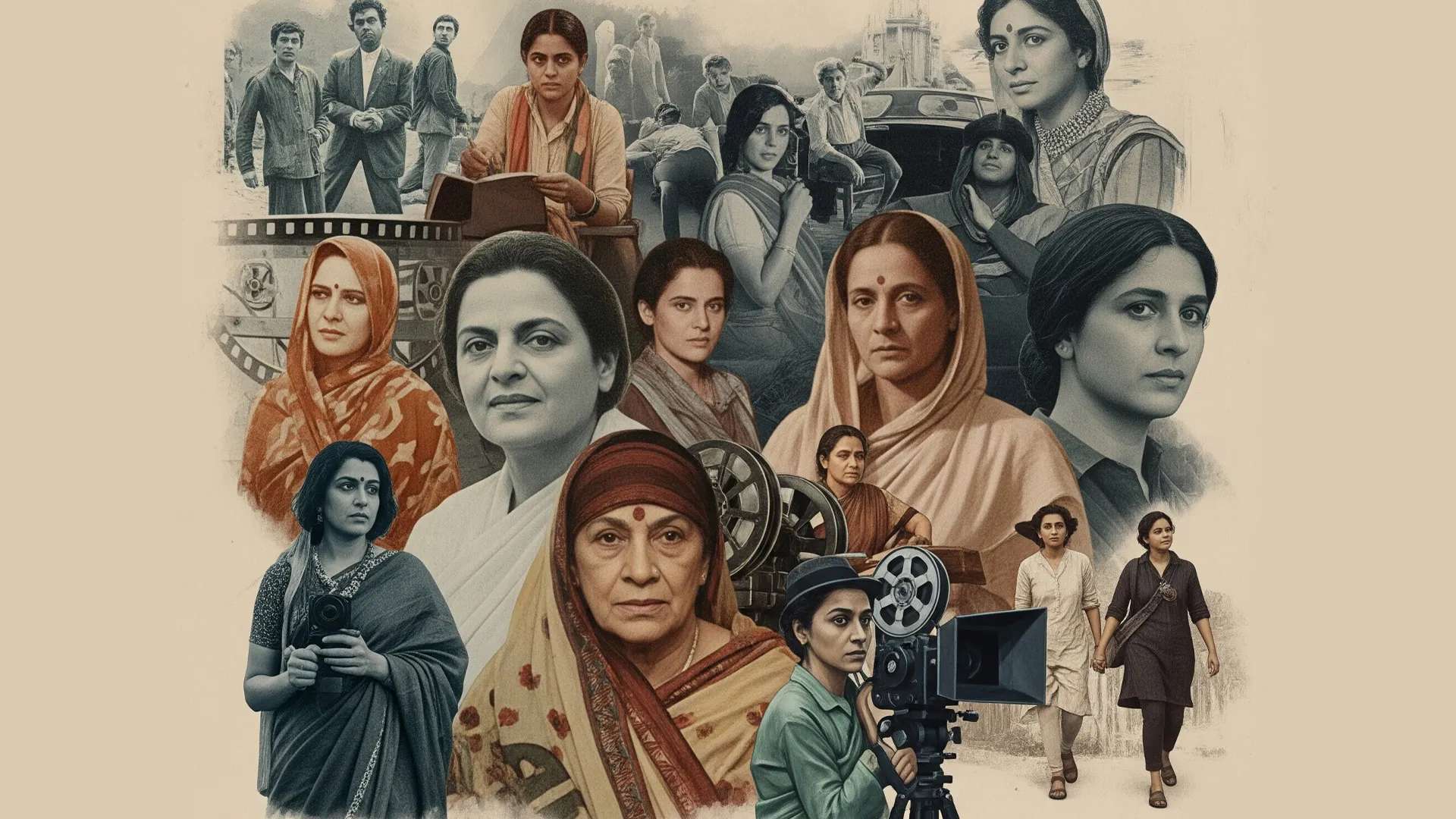
Indian cinema, one of the largest and most diverse film industries in the world, has long been dominated by male voices—both behind and in front of the camera. But over the years, a powerful transformation has taken root. More women are stepping into the director's chair, challenging norms, shaping narratives, and fundamentally redefining the language of Indian storytelling.
The Trailblazers Who Paved the Way
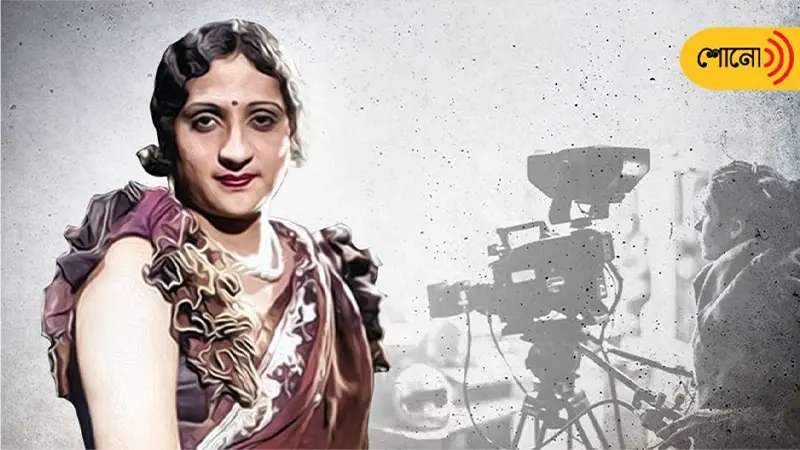
The journey began with pioneers like Fatma Begum, who became India's first female director in 1926 with her film Bulbul-e-Paristan. At a time when even acting was considered taboo for women, her bold foray into filmmaking was nothing short of revolutionary—a testament to the indomitable spirit of women in cinema.
In later decades, filmmakers like Sai Paranjpye, Aparna Sen, and Kalpana Lajmi brought a new sensibility to Indian cinema—one that celebrated emotional depth, social realism, and strong female perspectives. Films like Sparsh and 36 Chowringhee Lane broke away from mainstream formulas to tell deeply human stories that resonated across generations.
Today's Powerhouses: Shaping Modern Indian Cinema
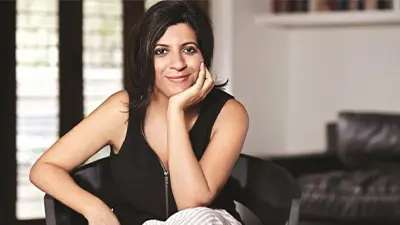
Zoya Akhtar
Zindagi Na Milegi Dobara, Gully Boy — Master of nuanced character studies with a global aesthetic that redefined contemporary Indian cinema.
View Filmography →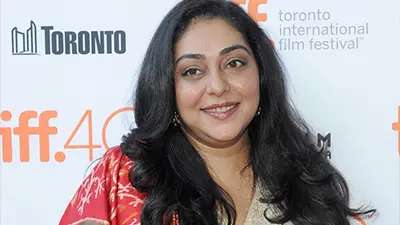
Meghna Gulzar
Raazi, Chhapaak — Combines powerful storytelling with strong social messaging, creating films that both entertain and provoke thought.
View Filmography →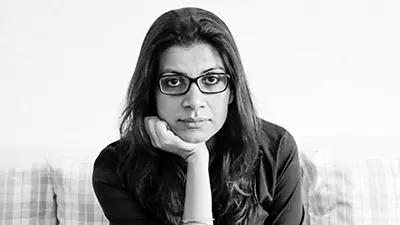
Alankrita Shrivastava
Lipstick Under My Burkha — Fearless creator of taboo-breaking narratives that explore female autonomy and desire in modern India.
View Filmography →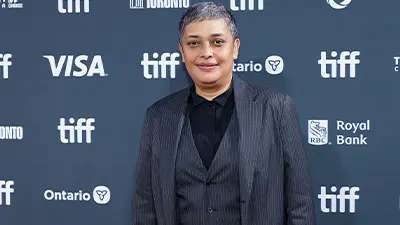
Reema Kagti
Talaash, Made in Heaven — Brings a unique voice that reshapes Indian cinematic narratives with complex characters and layered storytelling.
View Filmography →Challenges That Still Persist
Despite these remarkable strides, gender disparity in Indian cinema remains a pressing issue. Women are still significantly underrepresented in technical and leadership roles. According to recent studies:
- Only 12% of Indian films are directed by women
- Female directors receive 30% less funding on average
- Women-led projects struggle to secure prime release slots
Funding and distribution for female-led projects often face additional hurdles, and while the glass ceiling has been cracked, it hasn't shattered completely. The industry continues to grapple with unconscious biases that affect everything from budget allocations to marketing support.
Changing the Narrative: The Digital Revolution
The rise of OTT platforms like Netflix, Amazon Prime Video, and Disney+ Hotstar has opened up exciting new avenues for storytelling, offering women directors more creative freedom and fewer commercial constraints. Audiences too are evolving—films like The Great Indian Kitchen, Darlings, and Geeli Pucchi demonstrate a growing appetite for authentic stories told from a woman's perspective. This digital revolution is creating space for diverse voices that traditional cinema often sidelined.
"The digital space has been a game-changer for women filmmakers. We're no longer bound by traditional gatekeepers who often favored male-centric narratives."
— Alankrita Shrivastava, Director
Conclusion: Lights, Camera, Revolution
Women directors in Indian cinema are no longer just fighting for a seat at the table—they're building new ones altogether. From Fatma Begum's pioneering spirit to today's boundary-pushing filmmakers, these visionary women are expanding what Indian cinema can be. The direction is clear—and it's being charted by incredibly talented women who refuse to be silenced, who insist on telling their stories their way. As audiences, our role is to listen, to support, and most importantly, to keep demanding more.
The revolution won't be televised—it'll be directed, shot, and edited by women.